

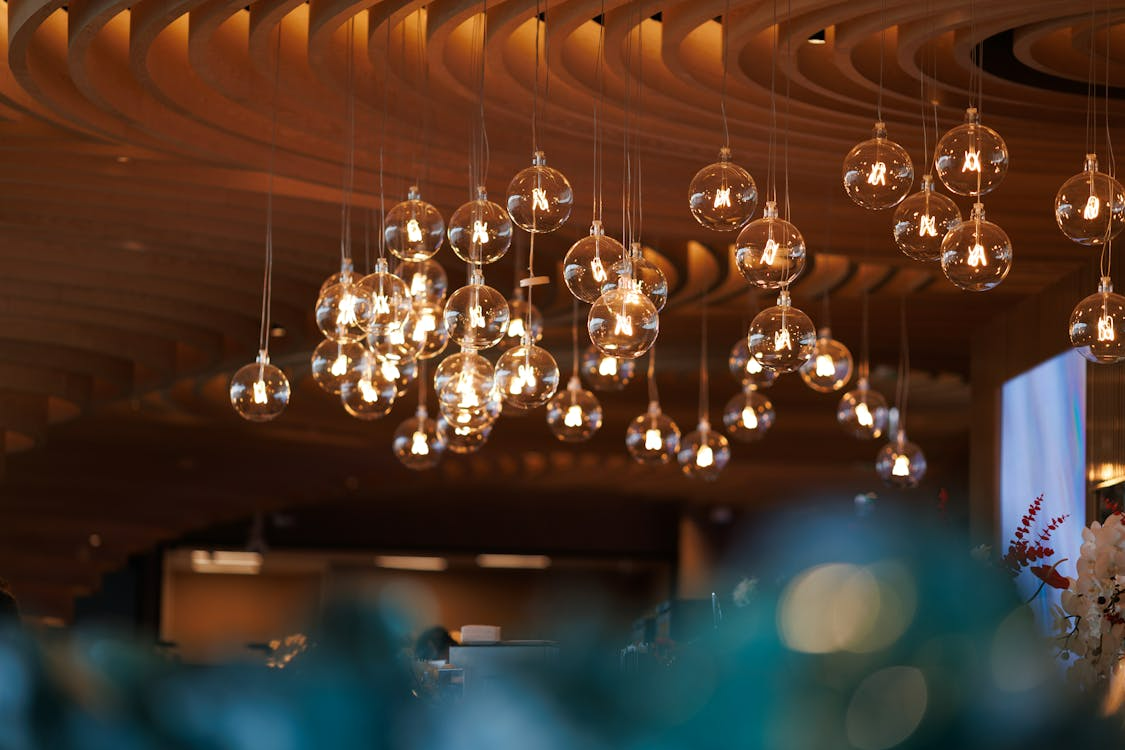
One of the biggest challenges in designing an effectively lit interior space is having uniform, adequate illumination across a large area. Whether it’s a spacious open-plan living space, a commercial office environment, or a large kitchen area, consideration of the placement of ceiling lights and lamps is crucial for removing dark areas (also referred to as shadows) in the overall design and creating an inviting and enjoyable place to be.
The first step in addressing this problem is determining the appropriate number of ceiling lights needed for the space. A good guideline for this is dividing the height of the ceiling in half to get the distance between fixtures; i.e., for a three-meter high ceiling, fixtures should be separated approximately 1.5 meters apart. In addition to spacing, it is also important to consider the beam angle of each fixture, as wider beam angles help spread light more evenly across larger areas, reducing the need for excessive fittings.
When the area is large and open, recessed downlights are frequently used because they are able to equally shine light upon a large area of floor without disturbing the visual flow of the ceiling. One way to install recessed downlights in a manner that creates an even pattern of light on the floor is to use a grid pattern for suspended ceiling grids; i.e., with a standard grid spacing and ensuring that they are all spaced equally from wall edges. This method helps maintain symmetry in lighting design and avoids uneven brightness levels, especially in modern minimalist interiors where clean visual lines are important.
In general, when trying to balance out lighting from ceiling fixtures, supplemental floor or table lamps from the likes of lights&lamps can be used to fill in the remaining “dark” areas of the room, as well as provide added design interest to the room. In dining rooms, a large “statement” pendant light positioned directly above the dining table can act as a focal point in the space, while providing light for the purpose of illuminating the table itself. In living areas, strategically placed floor lamps in corners or beside seating areas can help soften harsh lighting and create a more layered, comfortable atmosphere.
For large areas, using dimmer controls will help to provide versatility by allowing you to change the amount of light present based on the time of day and the desired effect or atmosphere that you want to create. By using dimmable ceiling lights and smart controls, your lighting scenes can transition from bright task lighting to a warm ambiance easily. Modern smart lighting systems can even be programmed to adjust automatically based on time schedules or occupancy, improving both energy efficiency and convenience.
Choosing lights and lamps with adequate lumens (lumen output) for larger spaces is also important. If fixtures in larger spaces are not sufficiently powerful, portions of the room may appear dim and uninviting. To develop the proper level of light throughout the entire room, consult with a lighting designer or specialist to determine which fixture would provide the necessary amount of light. In addition, selecting the right colour temperature (warm, neutral, or cool white) plays a major role in how the space feels, with warmer tones creating comfort and cooler tones enhancing focus and clarity.
Finally, combining natural light with artificial lighting can further improve overall illumination quality. Large windows, skylights, or glass doors can reduce the need for artificial lighting during daytime hours, while also creating a more open and airy environment. By carefully balancing natural and artificial light sources, you can achieve a well-lit, functional, and visually appealing space that works effectively at all times of the day.
