

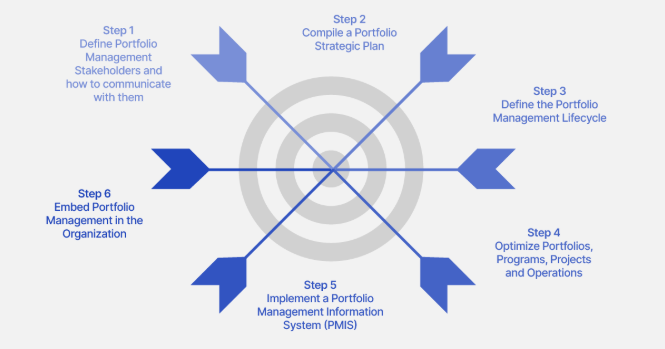
Managing a diverse project portfolio can be a daunting challenge for businesses, often leading to inefficiencies and inflated costs. Statistics show that leveraging project portfolio management (PPM) tools can enhance visibility and control across projects, driving better outcomes. Organizations using sophisticated PPM software report a 30% reduction in failed projects, affirming the value of these systems.
With PPM software, companies capture a holistic view of their project ecosystems, promoting strategic alignment and resource optimization. Such systemic enhancements are crucial for staying competitive and responding to market changes effectively. In this article, we’ll explore how PPM tools help streamline business operations and bolster organizational growth.
Streamlining Business Operations with Project Portfolio Management Software
Adopting project portfolio management software confers an immediate advantage by organizing numerous projects under one digital umbrella. This consolidation allows managers to quickly identify project synergies and conflicts, resulting in a streamlined approach to tackling corporate initiatives.
An example of this benefit is seen in the synchronization of timelines and milestones across projects, which reduces redundancies and promotes cohesive progress tracking. Major corporations have reported a 20% increase in project delivery efficiency after integrating PPM tools into their workflow.
Businesses looking to implement PPM software should evaluate solutions based on functionality, ease of integration with existing systems, and scalability to ensure the software can grow with the company’s needs. Selecting a tool with robust reporting and analytics capabilities is also essential for long-term operational streamlining.
Enhancing Decision-Making Accuracy through Real-Time Data Analysis
One of the pivotal benefits of PPM software is its ability to furnish decision-makers with real-time data and analytics. This level of insight empowers leadership to make informed, decisive choices regarding project direction and allocation of resources.
With real-time data analytics, executives can track performance metrics instantly, allowing for agile adjustments to be made before issues escalate. Organizations that harness these capabilities tend to exhibit quicker response times to market shifts and better risk management, as evidenced by Project Management Institute research.
To optimize decision-making processes, it is recommended to configure PPM software dashboards to highlight key performance indicators (KPIs) relevant to the business’s strategic goals. This ensures that data is not only accessible but also actionable, serving as a compass for project direction and resource investment.
Reducing Operational Costs and Increasing Efficiency
PPM tools play a crucial role in cutting operational costs by identifying underperforming projects and enabling the reallocation of funds to more profitable endeavors. By preventing over-investment in failing projects, companies can save significant amounts, which can amount to hundreds of thousands of dollars annually for larger organizations.
Furthermore, efficiency gains are realized through the automation of routine project management tasks, such as scheduling and status reporting. This automation allows project managers to focus on higher-value activities, thereby improving overall productivity. Analysts cite reductions in project management time by as much as 40% upon the integration of PPM software.
Enterprises evaluating PPM tools should consider features such as automation capabilities, ease of use, and customizable workflows, which are critical for reducing manual labor and thereby driving efficiency and operational cost savings.
Improving Resource Allocation and Project Prioritization with PPM Tools
PPM software excels in enhancing resource deployment throughout an organization by providing visibility into team workloads and skill sets. This visibility enables more strategic resource allocation, ensuring that the right personnel are working on the right projects at the right time.
Additionally, prioritization features within PPM tools help businesses align project selection with strategic objectives. By analyzing and ranking projects based on their value and potential ROI, firms can focus resources on high-impact initiatives. Research indicates that companies utilizing PPM for prioritization have improved their project success rates by up to 35%.
For the best results in resource allocation and project prioritization, companies should tailor their PPM tool’s configuration to reflect their specific industry demands and strategic planning processes. Aligning the tool’s capabilities with the company’s unique project landscape is essential for maximizing its benefits and impact.
In conclusion, the implementation of project portfolio management software provides multifaceted benefits to businesses. It streamlines operations, enhances real-time decision-making, cuts down on costs, and optimizes resource usage. The end result is an agile, responsive, and more profitable organization, poised to meet the demands of a dynamic business environment.
