

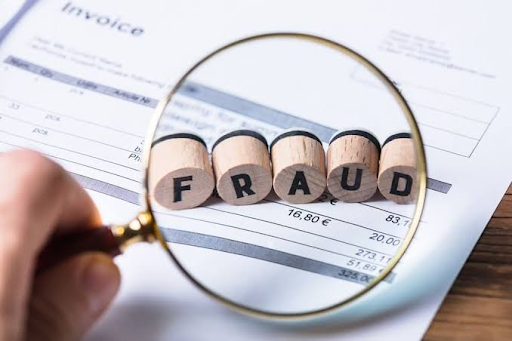
Invoice fraud has become one of the most persistent financial threats facing UK businesses.
While high-profile cyber attacks often dominate headlines, criminals frequently target something much simpler: the accounts department. A convincing invoice, an urgent request from a supplier or a seemingly routine change of bank details can be enough to trigger a payment that should never have been made.
The growing sophistication of these schemes means invoice fraud is no longer solely a cyber security problem. It has become a business risk that affects finance teams, operational leaders and company directors alike.
Why Invoice Fraud Is Becoming More Difficult to Detect
Traditional invoice scams were often relatively easy to identify. Emails contained spelling mistakes, unfamiliar sender addresses or requests that appeared obviously suspicious.
Today’s fraudsters are considerably more sophisticated.
Many attacks begin with extensive reconnaissance. Criminals research supplier relationships, monitor publicly available information and look for opportunities to insert themselves into legitimate business conversations. In some cases, compromised email accounts allow attackers to observe real communications before introducing fraudulent payment requests at precisely the right moment.
This type of activity is commonly associated with Business Email Compromise (BEC), a growing threat highlighted by the National Cyber Security Centre, which warns that attackers often impersonate trusted contacts and request payments to alternative bank accounts.
The challenge for finance teams is that these requests rarely appear unusual in isolation. They often arrive as part of genuine email chains, reference existing projects and mirror normal supplier communications.
The Real Cost Extends Beyond Lost Funds
When invoice fraud occurs, the immediate financial loss is often only part of the problem.
Businesses may spend weeks investigating the incident, working with banks, reviewing internal processes and implementing additional controls. During this period, normal operations can be disrupted as finance teams balance day-to-day responsibilities with fraud response activities.
There can also be reputational consequences. Suppliers may become frustrated by payment delays, while stakeholders may question whether adequate financial controls were in place to prevent the incident.
For smaller organisations in particular, even a single fraudulent payment can have a disproportionate impact on cash flow and operational stability. The outcome is not merely a lost invoice value but a wider drain on time, resources and organisational confidence.
How Manual Processes Create Vulnerabilities
Many businesses continue to rely on highly manual accounts payable processes.
Invoices may arrive through multiple channels, be entered manually into finance systems and move through approval chains that depend heavily on email exchanges and individual oversight. While these processes can work effectively when transaction volumes are low, vulnerabilities often emerge as organisations grow.
Manual handling increases the likelihood of human error. Duplicate invoices may be missed, approval procedures may be applied inconsistently and unusual activity can be difficult to identify when information is spread across different systems.
Fraudsters understand these limitations. Their objective is not always to exploit technical weaknesses but to exploit process weaknesses. The more manual steps involved, the greater the opportunity for a fraudulent request to be overlooked.
Pressure can also play a role. Finance teams are frequently expected to process invoices quickly, maintain supplier relationships and manage competing priorities. Under these conditions, unusual transactions are less likely to receive the scrutiny they deserve.
Warning Signs That Should Never Be Ignored
One of the difficulties with invoice fraud is that suspicious activity often appears entirely routine at first glance. However, there are several warning signs that should prompt additional verification before any payment is approved.
Requests to change supplier bank details are among the most common indicators of potential fraud. Equally, finance teams should be cautious of payment requests that create a sense of urgency, involve unusual communication channels or deviate from established purchasing processes. Even something as simple as a slight change in an email address can indicate that a legitimate supplier account has been spoofed or compromised.
Organisations that encourage employees to pause and verify unusual requests often prevent fraud before it reaches the payment stage. A quick phone call using independently verified contact details can be enough to identify a fraudulent request and avoid a potentially significant financial loss.
The Importance of Strong Financial Controls
Reducing invoice fraud risk requires more than simply asking employees to be vigilant.
The most effective organisations establish layered controls throughout the payment process. Segregation of duties ensures no single individual has complete authority over supplier setup, invoice processing and payment approval. Independent verification procedures reduce the likelihood of fraudulent changes being accepted without challenge.
Regular staff training is equally important. Finance professionals should understand the tactics commonly used by fraudsters and feel empowered to question unusual requests, regardless of who appears to have made them.
Technology is increasingly becoming part of this wider control framework. Automated approval workflows, audit trails and validation checks can provide an additional layer of protection alongside existing processes. Businesses looking to strengthen these controls may benefit from understanding how accounts payable automation enables fraud detection, particularly when dealing with large volumes of invoices and supplier transactions.
Why Prevention Is Better Than Recovery
Recovering funds after invoice fraud can be difficult, especially when payment has already been transferred through multiple accounts.
As a result, prevention should be the primary objective. Strong verification procedures, clearly defined approval processes and ongoing employee awareness initiatives are often far more effective than relying on post-incident recovery efforts.
Businesses should also regularly review their supplier management processes. Verifying changes to banking details through independent channels, maintaining accurate supplier records and auditing payment workflows can significantly reduce exposure to common fraud techniques.
While no organisation can eliminate risk entirely, those that proactively strengthen financial controls place themselves in a far stronger position than those relying solely on manual checks and good intentions.
A Growing Challenge for Modern Businesses
Invoice fraud continues to evolve because it targets a fundamental business process that exists in every organisation: paying suppliers.
As criminals become more adept at impersonating trusted contacts and exploiting legitimate workflows, finance teams face increasing pressure to identify threats that are often designed to look entirely routine.
The organisations most likely to succeed will be those that treat invoice fraud as an ongoing business risk rather than a one-off security concern. By combining employee awareness, robust financial controls and modern process management, businesses can significantly reduce the likelihood that a fraudulent invoice becomes an expensive lesson.
